Never had a video appointment before? Your first telehealth consultation is a live video chat with a qualified Australian practitioner. You can have it from home. It runs much like a visit to a clinic. This guide covers what to have ready, what the practitioner will ask you, what can happen afterwards, and when a video call is the wrong setting for your concern.
What happens in a telehealth consultation?
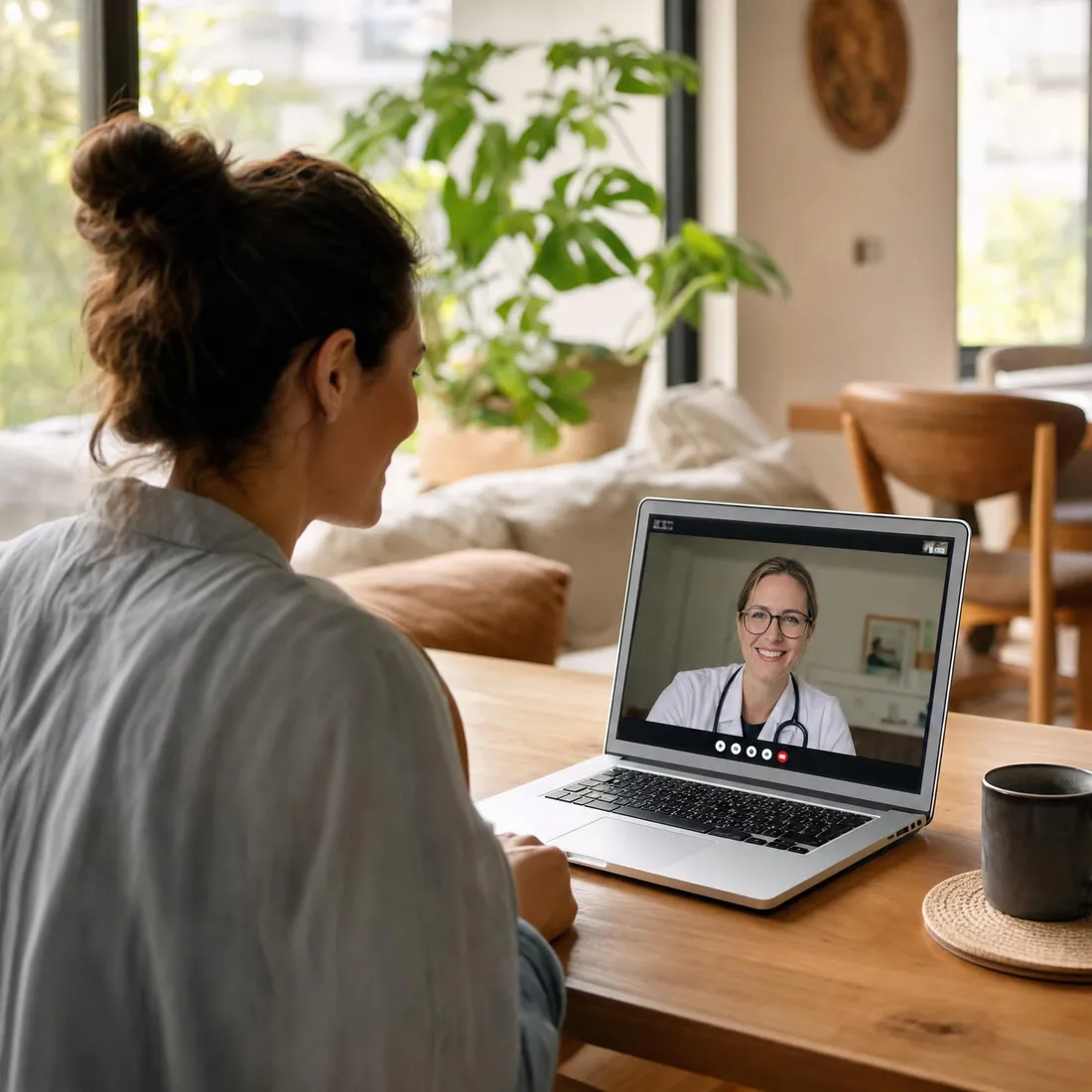
A telehealth consultation is a live video appointment with a qualified Australian practitioner. You book a time and join from a phone, tablet or computer. The practitioner confirms who you are, asks about your health, talks through your options, and agrees a next step with you. Notes from the appointment go on your file.
National practice standards set the format. The Medical Board of Australia’s telehealth guidelines state that “the Board does not support prescribing medication to a patient in the absence of real-time consultation”. The same guidelines ask practitioners to judge whether telehealth suits your concern. If it does not, they should arrange for you to be seen in person.
What will the practitioner ask you?
A practitioner works through much the same questions used in a clinic. Expect to be asked what brought you in and how long it has been going on. Then what makes it better or worse, what you have already tried, which medicines you take, your past health, any allergies, and what you want from the visit.
The appointment usually moves in this order.
- Identity and location. Your name, date of birth, and where you are sitting right now. Location matters. It decides where a referral or a test request can be sent. It also shapes what happens if you need urgent care.
- The reason for the appointment, in your own words. Say the whole thing before the questions start narrowing it down.
- The history. When it started, how it has changed, how bad it gets, and what makes a difference.
- Your background. Past conditions, current medicines and doses, allergies, family history, alcohol and smoking.
- A look, where looking helps. You may be asked to bring the camera closer to a rash, shine a light in your mouth, or read out a measurement from a home blood pressure monitor.
- What you want from the appointment. Practitioners ask this directly. It is a fair question to answer plainly.
What do you need before the appointment?
Five minutes of prep changes how much you get out of the time.
- A phone, tablet or computer with a working camera and microphone.
- A quiet, private space and a steady internet connection.
- Photo ID.
- A list of the medicines you take, including doses.
- Any recent test results you have a copy of.
- Your questions, written down, so the ones that matter do not get forgotten at the end.
What can happen after the consultation?
Several outcomes are possible. A practitioner may give advice, suggest monitoring your symptoms for a period, book a follow-up, request pathology or imaging, write a referral to another doctor, or issue a prescription where clinically appropriate. Sometimes the considered answer is no treatment at all. Whatever is decided gets recorded on your file.
The practitioner makes that call, and they make it after the conversation. The consultation is the service you book. A prescription is one possible result of it. Individual results vary. The right next step depends on your own health and your own history.
When is telehealth the wrong choice?
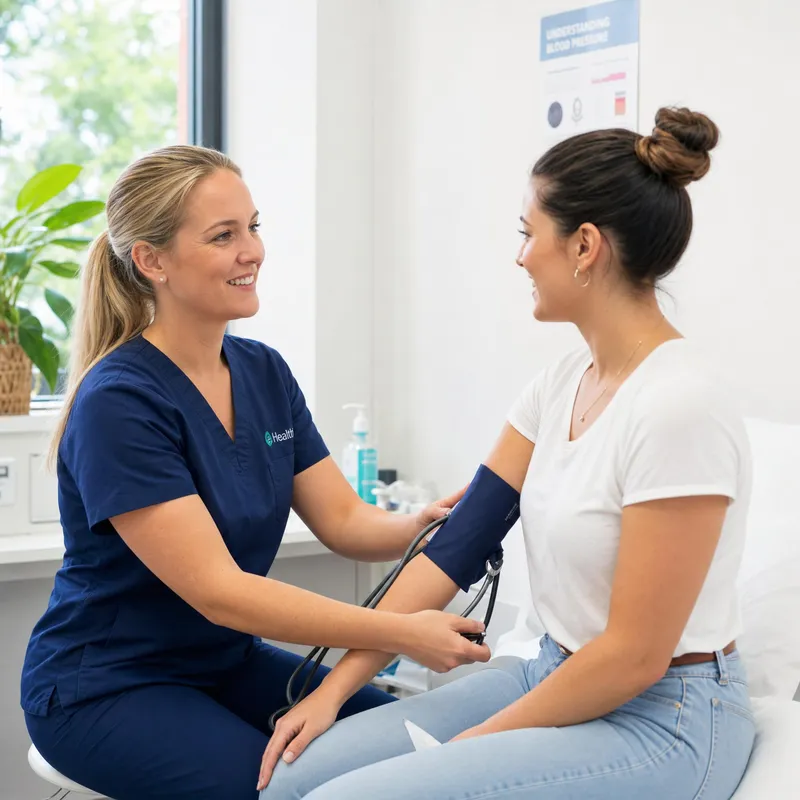
Telehealth is not suitable for all health concerns. A video call cannot examine you, listen to your chest, feel an abdomen, take your blood pressure, or draw blood. Where a concern needs hands or equipment, your practitioner will say so and point you to in-person care, a GP review, urgent care, further investigation, or a referral to another doctor.
Call 000 straight away for chest pain, trouble breathing, severe bleeding, a suspected stroke, or any situation you believe is an emergency. Telehealth works alongside your regular care.
What happens if you need another appointment?
Follow-up is normal. It goes better when the next practitioner can see the first appointment. At NexaHealth, your consultations, results and any care plan sit together in one record, so the next conversation starts from what you have already said.
Next step: when you are ready to talk something through, book a GP consultation by video with a qualified Australian practitioner.
This article is general information only and is not a substitute for medical advice about your own situation. Individual results vary. We do not advertise specific prescription medicines to the public, in accordance with Australian regulatory requirements. If you have concerns about your health, speak with a qualified practitioner. In an emergency, call 000.